
Understanding the Rise of Hentai Games
The gaming landscape has witnessed a significant transformation over the past decade, with niche genres gaining unprecedented popularity. Among these, the hentai game genre has emerged as a prominent player, capturing the interests of diverse audiences. This rise can be attributed to a combination of cultural normalization, technological advancements, and the growing acceptance of adult content within gaming. As we delve into the world of hentai games, we'll explore their definition, origins, and the trends shaping their current market presence.
What is a Hentai Game?
Hentai games are a genre of video games featuring explicit sexual content, often derived from anime or manga styles. These games typically combine narrative-driven gameplay with adult themes, allowing players to engage in immersive stories that incorporate erotic elements. Unlike mainstream games, which often focus on combat, strategy, or adventure, hentai games prioritize sexual exploration and adult interactions, catering to a specific audience looking for unique engagement.
Origins and Evolution of Hentai Games
The origins of hentai games can be traced back to Japan in the late 1980s, where the first visual novels began to emerge, combining storytelling with interactive gameplay. Titles like "Night Life" and "Do You Like Horny Bunnies?" paved the way for more sophisticated narratives and graphical depictions that would later define the genre. As technology advanced, so did the quality of the games, leading to more immersive experiences with intricate plots and detailed artwork.
Throughout the 1990s and early 2000s, the Internet played a crucial role in popularizing hentai games globally. Online distribution allowed developers to reach wider audiences beyond Japan, creating an international fanbase eager for adult-themed content. With the rise of indie game developers in recent years, there has been a notable increase in the diversity and accessibility of hentai games, further embedding them into popular culture.
Current Trends in the Hentai Game Market
As we move into 2026, the hentai game market is witnessing several key trends that are reshaping its landscape:
- Increased Accessibility: Platforms like Steam and Itch.io are becoming more inclusive of adult content, allowing developers to distribute their games more easily.
- Integration of Advanced Technologies: Innovations in graphics and gameplay mechanics are enhancing user experiences, making hentai games more visually appealing and interactive.
- Community Engagement: Developers are focusing on community feedback, creating games that resonate with their audiences and fostering long-term loyalty.
- Emergence of Diverse Themes: New narratives and themes, such as LGBTQ+ representation and fantasy elements, are attracting a broader player base.
Target Audience and Engagement Strategies
Understanding the target audience of hentai games is essential for developers and marketers aiming to create resonant content. The demographics of hentai game players are diverse, encompassing various age groups, genders, and interests.
Demographic Insights into Hentai Game Players
Research indicates that the majority of hentai game players are typically aged between 18-35 years, with a growing segment of players over 35. This demographic is characterized by an appreciation for anime culture and a willingness to explore adult themes in gaming. While predominantly male, the number of female players is steadily increasing, highlighting the genre's expanding appeal. Players often seek engaging narratives, character development, and unique art styles, aligning with broader gaming trends.
How Hentai Games Build Community and Loyalty
Hentai game developers often leverage community engagement strategies to build loyalty among their players. By fostering open lines of communication through forums, social media, and streaming platforms, developers can solicit feedback and incorporate player suggestions into future updates or games. Additionally, hosting events such as fan art competitions and community play sessions can create a sense of belonging, encouraging players to advocate for their favorite titles and developers.
Effective Marketing Tactics for Hentai Games
Marketing strategies for hentai games must be tailored to the genre's unique characteristics. Here are some effective tactics:
- Utilizing Social Media: Platforms like Twitter and Reddit are popular marketing avenues for reaching potential players and addressing adult content restrictions.
- Collaborations with Influencers: Partnering with content creators who focus on adult gaming can amplify reach and introduce new audiences to the genre.
- Creating Engaging Trailers: High-quality trailers that showcase both gameplay and narrative can attract attention and build anticipation for upcoming titles.
- Offering Demos and Free Trials: Allowing players to sample in-game content can convert hesitant prospects into loyal customers.
Challenges Facing Hentai Game Developers
Despite the growth and acceptance of hentai games, developers face several challenges in today's gaming ecosystem.
Regulatory and Legal Concerns
The regulatory landscape for adult content varies significantly across different regions, which can pose substantial barriers for developers wishing to reach a global audience. Many platforms enforce strict guidelines regarding adult content, and failure to comply can result in penalties or removal from distribution channels. Developers must navigate these complexities carefully to ensure legal compliance while still delivering the content their audience desires.
Overcoming Stigma and Misconceptions
Hentai games often carry a stigma that can hinder acceptance within broader gaming communities. Misconceptions about the genre—such as the belief that it promotes negative behaviors—can deter potential players. Developers and advocates must work towards educating audiences about the nuances of hentai gaming, emphasizing its entertainment value and artistic merit.
Balancing Creativity with Compliance
Creative freedom is essential for any game developer, particularly within the hentai genre. However, this creativity often needs to be balanced with regulatory compliance and audience expectations. Striking this balance can lead to innovative gameplay mechanics and narratives that still respect legal boundaries and societal norms.
The Role of Technology in Hentai Games
Technology plays a pivotal role in the development and evolution of hentai games, influencing everything from graphics and gameplay to user engagement.
Impact of Graphics and Gameplay Innovations
Advancements in graphics technology have markedly improved the visual appeal of hentai games, enabling developers to create more lifelike characters and immersive environments. High-quality animations and art styles can elevate the player experience, making narratives more engaging. Furthermore, innovative gameplay mechanics, such as branching storylines and player-driven choices, enhance the interactive quality of the games, allowing for a more personalized experience.
Virtual Reality and Hentai Game Experiences
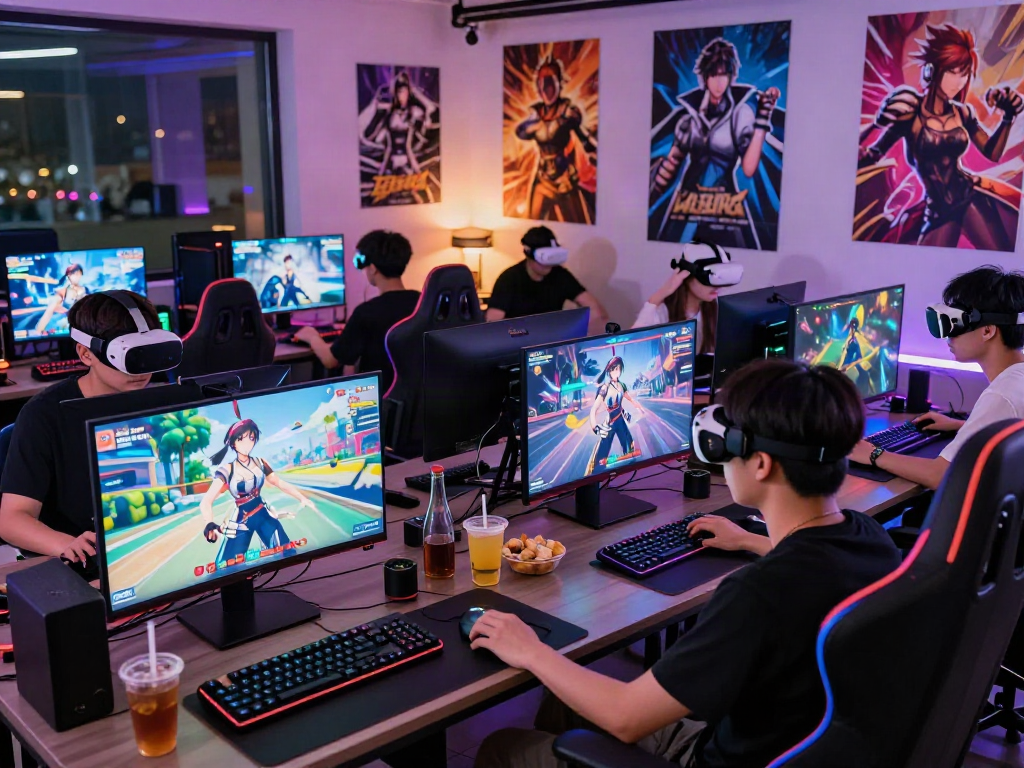
The advent of virtual reality (VR) technology has opened new frontiers for hentai games, allowing players to engage with content in unprecedented ways. VR can provide immersive experiences that traditional gaming formats cannot, heightening the sense of presence and intimacy with characters. While still in its early stages, VR in hentai games has the potential to revolutionize how players interact with adult content.
The Future of AI in Hentai Game Development
Artificial Intelligence (AI) is set to play a transformative role in the future of hentai game development. By utilizing AI, developers can create more responsive and adaptive gameplay experiences. For instance, AI can tailor narratives based on player choices, offering unique story arcs that are different for each playthrough. Additionally, AI-driven character interactions can lead to more realistic dialogues and emotional responses, contributing to deeper player engagement.
Future Trends and Predictions for Hentai Games
Looking ahead, several emerging trends are expected to shape the future of hentai games through 2026 and beyond.
Emerging Genres within Hentai Games
The hentai game genre is evolving, with new sub-genres emerging to cater to specific audience preferences. Adventure and RPG mechanics are becoming increasingly popular, merging traditional gameplay elements with hentai themes. This diversification allows for broader storytelling possibilities and unique gameplay experiences that continue to attract players.
Sustainability and Ethical Considerations
As the gaming industry faces increasing scrutiny regarding sustainability and ethical practices, hentai game developers are beginning to engage with these issues. This includes considering environmental impacts of game production and promoting inclusivity in character representation and storytelling. Adopting these practices not only aligns with player values but also enhances brand reputation.
What to Expect in Hentai Gaming by 2026
By 2026, we can anticipate a more diversified and integrated hentai game market. With continued technological advancements, expect to see more sophisticated gameplay mechanics, enhanced graphics, and the proliferation of multiplayer experiences. As barriers diminish and acceptance grows, hentai games will likely become a staple in the broader gaming community, challenging preconceptions and attracting new players.
What are the most popular hentai games today?
As of 2026, popular titles within the hentai game genre include franchises such as "HuniePop," "Negligee," and various visual novels from independent developers. These games are renowned for their engaging narratives, artistic styles, and interactive gameplay, which continue to captivate audiences.
How do hentai games differ from mainstream gaming?
Hentai games differ from mainstream gaming primarily in their focus on adult themes and explicit content. While mainstream games often prioritize broader storylines and combat mechanics, hentai games emphasize sexual exploration, character relationships, and narrative intimacy, appealing to a specific audience seeking unique experiences.
Are there age restrictions for playing hentai games?
Yes, hentai games typically carry age restrictions due to their explicit content. Most platforms enforce a minimum age requirement, often 18 years or older, to ensure that only adult audiences can access this material. Developers must prominently display these warnings to comply with regulatory standards.
What trends will shape the future of hentai games?
Future trends in hentai gaming will likely include advancements in technology, such as VR and AI integration, increasing acceptance of diverse narratives, and a focus on community engagement. As the genre continues to evolve, staying attuned to player preferences and societal shifts will be crucial for developers.
How do indie developers contribute to the hentai game scene?
Indie developers play a vital role in the hentai game scene by introducing innovative ideas and diverse styles. Often more flexible than larger studios, indie developers can explore unique narratives and artistic expressions that may not fit within mainstream gaming standards. This creativity enriches the genre and allows for a wider variety of games to reach audiences.